


TMJ Treatment in Magnolia
Real, Lasting Relief from Chronic Jaw Pain
Jaw pain and persistent headaches, especially when you’re not sure what’s causing them, can be quite frustrating. However, many people don’t realize that they often have to do with their teeth! At Glowsmile Family and Cosmetic Dentistry, we offer a wide range of treatments designed to address jaw, TMJ, and headaches at their source. To learn more about our TMJ treatment options or schedule an appointment, just give us a call today at our dental office serving Magnolia, Conroe, The Woodlands, and beyond.
Why Choose GlowSmile Family & Cosmetic Dentistry for TMJ Treatment?
- Modern Dental Office with Advanced Technology
- Comprehensive TMJ Treatment Under One Roof
- Friendly Team That Treats You Like Family
What Is TMJ Disorder?
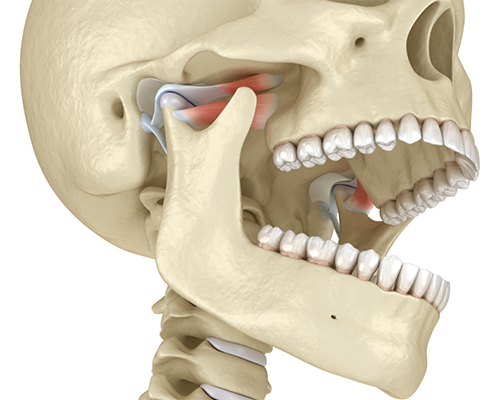
The temporomandibular joints, or TMJ for short, are the two small but complex joints that connect your lower jaw to your skull, one on each side of your face just in front of your ears. These work with several nearby muscles and ligaments, allowing your jaw to open, close, shift side to side, and move forward and back. TMJ disorder, sometimes referred to as TMD, is the term used to describe pain or dysfunction affecting this system.
Common Signs & Symptoms of TMJ Dysfunction
TMD isn’t always obvious, but knowing what signs to look for can help you know you need to come see us:
- Jaw pain or soreness
- Clicking, popping, or grinding sounds when moving the mouth
- Headaches or migraines, often in the mornings
- Neck, shoulder, or upper back pain
- A jaw that feels stuck open or closed
- Worn, chipped, or sensitive teeth due to bruxism
How We Treat TMJ Disorder
How we treat your TMJ disorder will depend on the severity of your symptoms. That said, there are several methods for addressing the discomfort:
BOTOX® Injections

When most people picture BOTOX®, they think about the impact that it can have on their smile and facial appearance. BOTOX® can be used to safely calm and soothe overworked muscles and ligaments that may be negatively impacting your jaw joints, leading to immense and immediate relief without the need for surgery or alternative treatments.
Occlusal Splints
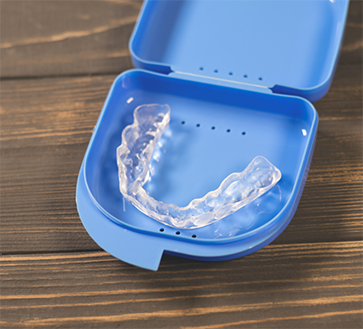
These precisely fitted oral appliances are worn over the teeth, typically during sleep, when clenching and grinding tend to happen the most, and reduce the force placed on the jaw joints and surrounding muscles. By positioning the jaw in a more relaxed and neutral orientation, a splint can significantly decrease pain, protect the teeth from wear, and allow overworked muscles to begin to recover.
Equilibration/Occlusal Adjustments
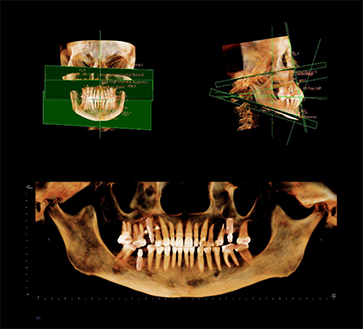
When the bite is uneven, certain teeth absorb an excess amount of force during chewing and clenching, placing unnecessary stress on the jaw joints and muscles over time. Equilibration, also called occlusal adjustment, is a conservative procedure in which we carefully reshape specific areas of the tooth surfaces to create a more balanced and harmonious bite.